HOLIDAY TRADITIONS | CELEBRATIONS
You’ve heard the song “The 12 Days of Christmas,” but you might not know its connection to an actual Christian celebration.
The final “day of Christmas” is known as Three Kings Day (or Epiphany) and it marks the date that three kings (also known as wise men) reached the infant Christ child, as described in the Bible’s Book of Matthew. It’s said that they followed a star to him, then presented gifts of gold, frankincense and myrrh. This is the traditional end of the Christmas season, particularly in Spanish-speaking countries and former Spanish colonies, and marks the beginning of the pre-Lenten season of Carnival.
KINGS DAY GIFTS
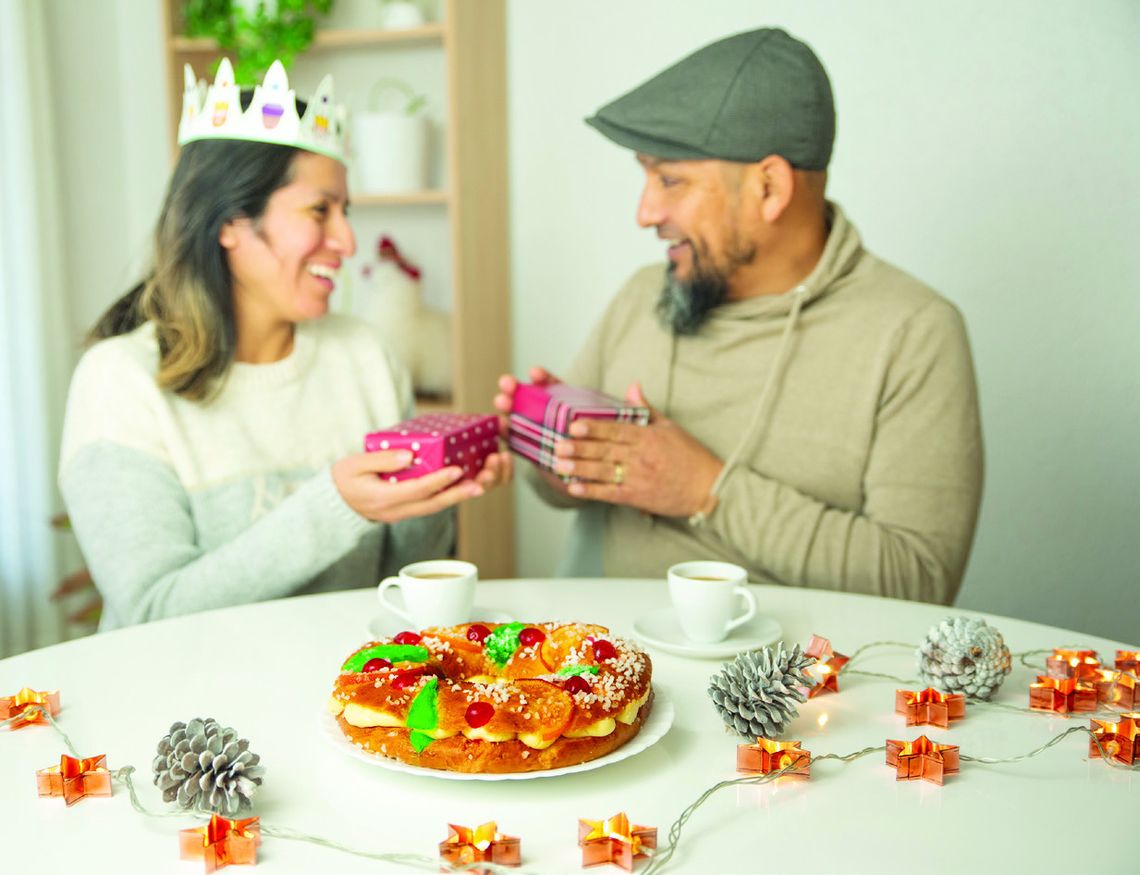
Celebrated on Jan. 6 each year, Three Kings Day is associated with parades, special cakes and, in the tradition of the wise men, gift-giving. In some cultures, it is customary for children to leave their shoes outside their doors, allowing the kings to fill them with presents. In a spirit similar to the tradition of feeding Santa’s reindeer, some children celebrate Three Kings Day by placing shoeboxes filled with grass or hay outside for the camels that accompanied the kings.
LOCAL EVENTS
Communities worldwide celebrate Three Kings Day with parades. The largest of these happens on Twelfth Night (Jan. 5) in Barcelona, Spain. According to tradition, the ceremonial Three Kings arrive by sea and receive a warm welcome from the city’s mayor, who grants them the symbolic key to the city. New York plays host to its own decades-long tradition with a parade organized by El Museo del Barrio. The Carnival season in New Orleans begins on Twelfth Night, with the St.
Joan of Arc walking parade. A streetcar parade is held from the city’s Riverbend area down historic St. Charles Avenue in the Garden District.
HISTORIC FOODWAYS Another hallmark of this holiday is the food, particularly the traditional Three Kings Bread, known by various names and often featuring unique ingredients. Commonly referred to as “roscon de reyes” or “galette des rois,” this festive food can include a hidden coin, jewel, toy, doll or a charm which is said to bring good fortune to the child who discovers it. New Orleans’ Lenten-season variation is simply called King Cake.