OPINION
We have more access to information than any generation before us, and it shows. We are full of opinions on just about any topic, yet the information at our finger tips has barely changed us. Easy access to information gradually trains us to believe that we are a wealth of knowledge and that we can answer any question. We would do well to recognize that access to information is not the same as formative knowledge or wisdom.
The modern technological world delivers much data that is difficult to sift through, validate, and then reflect and internalize. This last step is what helps to form our worldview, develop wisdom, and define character. In other words, we skim instead of study, resulting in shallow paradigms and inconsistent perspectives. We collect opinions without developing the wisdom required to under gird those positions. We maintain a real detachment to knowledge and never truly experience robust personal growth and intellectual maturity.
When we believe that access equals experience, this illogical belief system is then applied to relationships that we hold. Liking a friend’s post on social media feels like real engagement. Seeing pictures of their achievements feels like real relational support. And sending messages feels like real presence. Yet, we all understand there is something missing. Aristotle argued that real friendship is fostered through shared life and physical proximity in his Nicomachean Ethics. Relationships are formed through living life together, not just words in black and white. Could this be why we are more “connected” today, yet more people report feeling less “connection?”
We must wrestle with the truth that formation requires more than just access to knowledge. We must engage with information, think through it, live out that knowledge. The brother of Jesus, James, writes, “Be doers of the word, and not hearers only.” (James 1:22) While James was speaking more of the Gospel transforming a Christian’s life, the principal remains the same across all areas of life. What good is it to know something without allowing that thing to change you? My adult life is a tragic example of how knowing a great diet does not directly lead to a healthy lifestyle. I actually have to submit to a daily pattern of diet and exercise. I have to implement changes in my life and allow it to transform how I engage with the world around me. Knowledge which does not shape our character, our morality, our lived experience is of little benefit. What if we sat with something long enough to be challenged by it, rather than adding it to our opinions shelf and scrolling past it? If an article is worth your time, beyond the headline, commit to reading the full article, then pausing for a few moments to consider the concrete applications in your personal life. We should consider restructuring our daily patterns to involve quiet reflective times spent on thinking through how all this data applies to us and our direct sphere of influence. I even suggest, as I’ve suggested in this column previously, adding classic literature and Scripture reading to your literary diet. Ancient wisdom has a way of anchoring us in human history, rather than drifting in the chaotic sea of modernity. This updated literary diet can help us to see the world from a different view, rather than being constantly shaped, and reshaped, by the algorithm. We need to rediscover the timeless truth that while information can be quickly gathered, true wisdom takes time.
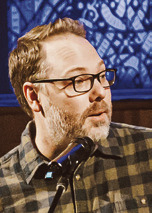
Steve Stanley is a Providence Village resident with a doctorate in ministerial leadership with a platform on YouTube, https://www.youtube. com/@FormedNotPerformed, and on Instagram, https://www.instagram. com/formed_not_ performed. He can be reached at [email protected].